Weekly Advanced Technologies〔102〕

Based on the weekly diary of technology provided by the daily list of the NCSTI online service platform, we launch the column "Weekly Advanced Technologies" at the hotlist of sci-tech innovation. Today, let's check out No.102.
1. China's All-Flash Storage Tops IO500 in Two Categories
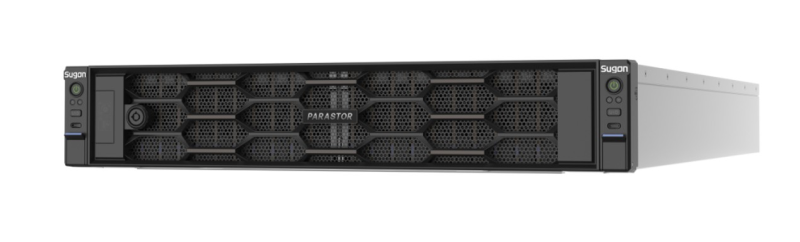
On June 24, at the International Supercomputing Conference (ISC 2026) held in Hamburg, Germany, the latest results of the IO500 global storage performance benchmark were announced. The ParaStor F9000 all-flash storage system, independently developed by Sugon Information Industry Co., Ltd., ranked first in both the “Production Full-Node” and “10-Node” categories, setting a new historical record for the benchmark.
The system is capable of handling concurrent access from large-scale computing clusters and supports rack-level delivery for clusters ranging from thousands to hundreds of thousands of GPUs. According to Sugon, the system can reduce the deployment time of a hundred-billion-parameter large model by half and improve cluster training efficiency by 50%. The system has been operating stably at the core node of the National Supercomputing Internet for over a year.
In a real-world scientific scenario, the system, in conjunction with Longxun Kuangteng’s MatPL software and supported by a ten-thousand-GPU supercomputing cluster, completed a molecular dynamics simulation of liquid water involving 41.47 billion atoms, breaking the world record in this field. The IO500 is a widely recognized benchmark of high authority, and its “Production” category only includes storage systems that have been operating stably in real-world environments over an extended period.
2. China's Autonomous Delivery Vehicle Tops Global Index
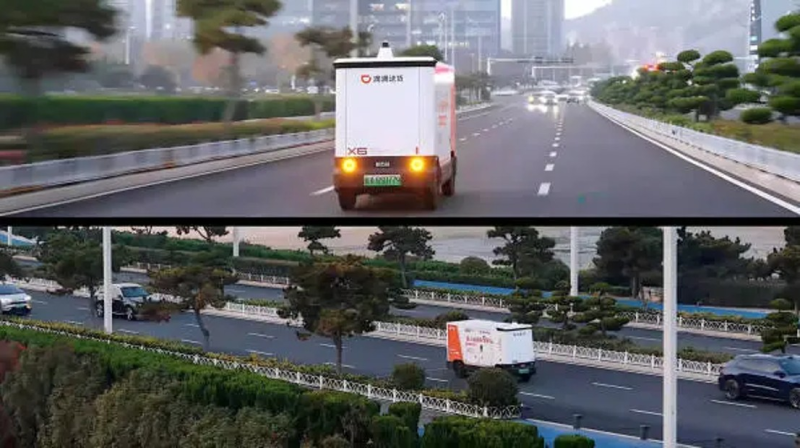
Recently, the U.S.-based institution RoadtoAutonomy released the Global Autonomous Delivery Index. Chinese enterprise Neolix ranked first with a score of 73.5.
The index focuses on commercialization capabilities, evaluating dimensions such as operational scale, city coverage, and on-the-ground deployment performance. To date, Neolix’s L4 autonomous vehicles have accumulated over 160 million kilometers of autonomous driving mileage, covering nearly 20 countries and more than 300 cities worldwide. On the domestic market, a “duopoly” pattern has taken shape: Neolix holds over 51% market share, followed closely by Zhishi Intelligence, which has integrated Cainiao’s autonomous delivery business.
The report notes that U.S. peer companies are primarily confined to university campuses, with slower progress in open-road scenarios, and some are operating at a loss.
The gap is mainly attributed to differences in policy, supply chain, and market conditions: more than 200 cities in China have opened road rights for autonomous vehicles; the cost of core components has dropped, bringing the total vehicle cost down to between RMB 15,000 and 20,000; and the high volume of domestic express delivery provides a foundation for large-scale operations.
The report also points out that the industry still faces challenges such as thin profit margins due to price wars and high compliance barriers for overseas expansion.
3. AI Drug Milestone: 18 Months vs 4.5 Years, Lung Drug Heads to Phase III
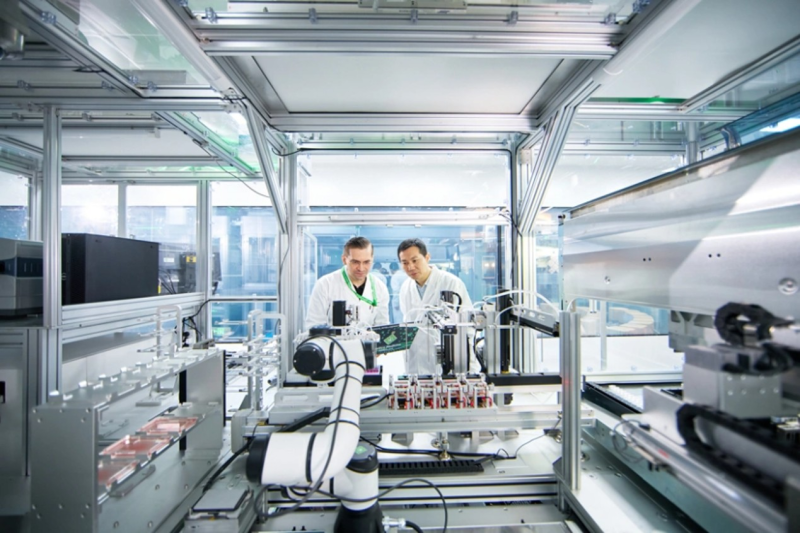
A milestone has been reached in AI-driven drug discovery. The world’s first innovative drug whose target was discovered and molecule designed entirely by artificial intelligence is about to initiate a Phase III clinical trial in China. The oral drug, Rentosertib, developed for the treatment of idiopathic pulmonary fibrosis (IPF), is scheduled to formally begin the trial in July. The study will be led by Professor Xu Zuojun from Peking Union Medical College Hospital, with Academician Zhong Nanshan and Professor Chen Chang, Director of Shanghai Pulmonary Hospital, serving as co-lead investigators. Experts from Beijing, Shanghai, and Guangzhou will jointly participate in the research.
The drug was developed by Insilico Medicine, a company whose global technology headquarters is based in Shanghai. Insilico Medicine is recognized as the “first AI-driven drug discovery stock” listed on the Hong Kong Stock Exchange. Leveraging its proprietary Pharma.AI platform and the mature industrial ecosystem of Zhangjiang Pharma Valley, the team adopted an iterative model combining “AI-powered simulation computation with real-world laboratory validation.” This approach has significantly compressed the early-stage drug discovery cycle from the industry average of 4.5 years to just 18 months, while also saving millions to tens of millions of U.S. dollars in R&D costs per project.
To date, Insilico Medicine has advanced 13 AI-discovered drugs into clinical trials, covering multiple therapeutic areas including oncology, immunology, and fibrosis. The company has also built a fully automated intelligent laboratory, where AI-scheduled robots operate 24/7, performing the workload equivalent to a team of 50 human researchers. This marks a new paradigm in AI-driven pharmaceutical innovation.
4. From Pilot to Public: Pony.ai Launches Robotaxi Service in Singapore

On June 22, Pony.ai’s autonomous ride-hailing service, operated in partnership with Singapore-based transport operator ComfortDelGro, has been officially integrated into the local booking platform Zig, now open for public reservations. Previously, the service was available only to invited users.
Singapore residents can now book autonomous vehicles powered by Pony.ai’s technology through the Zig App. The service currently covers areas in the Punggol district, including Coastline Plaza, MRT stations, and integrated community hubs, enabling seamless transfers with MRT and public buses — suitable for daily commuting, shopping, and leisure trips. The shorter-route loop is already in operation, while the longer-route loop, covering a wider area, is scheduled to launch on July 1.
The two parties launched an invitation-based pilot program in April this year, iterating and optimizing the service based on user feedback. To date, Pony.ai has deployed autonomous driving services in six cities across China, as well as in Dubai, Croatia, and Luxembourg.
5. China's Volcano Engine Launches Doubao 2.1, Reports 180 Trillion Daily Token Calls
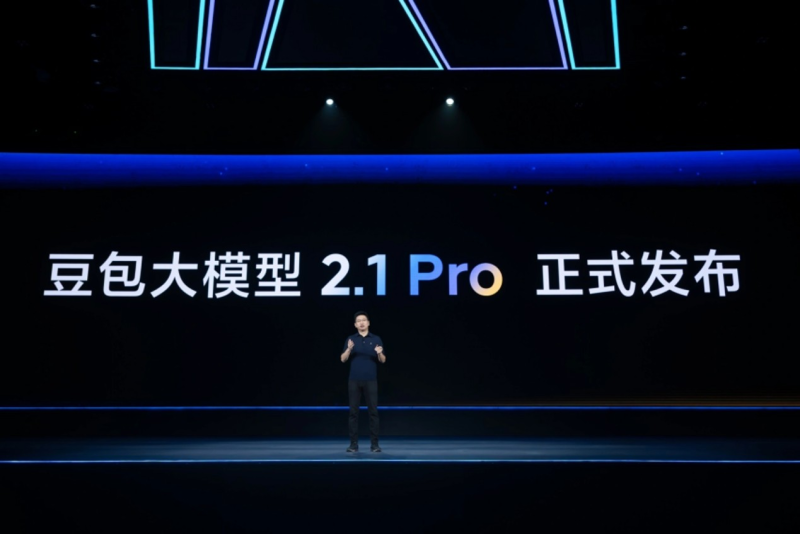
On June 23, the 2026 Summer FORCE Original Power Conference was held in Beijing by Volcano Engine, where the Doubao Large Model 2.1 was released. Alongside this, multiple new models for video, image, and audio were launched, and the cloud service system for intelligent agents was upgraded.
According to Volcano Engine, as of June this year, the average daily token call volume of the Doubao Large Model has exceeded 180 trillion, representing a more than tenfold increase over the past year. IDC data shows that Volcano Engine holds a 49.5% share of China's public cloud MaaS service market.
The Doubao 2.1 Pro has been upgraded in areas such as programming, intelligent agents, and visual language. According to Volcano Engine, the model can run continuously for 18 hours to complete the entire chip design process, and can also support over 500 intelligent agents collaborating to build a 3D virtual city. Its comprehensive usage cost is lower than that of Claude Opus 4.6, and a Turbo version is also available.
In addition, the Seedance 2.5 video generation model made its debut, while image and audio generation models were also upgraded simultaneously. To date, over 1.1 million enterprises and individuals have used the Volcano Ark large model service, covering multiple industries.
6. China's Loongson Launches First Open-Source Community for Domestic Instruction Set Architecture
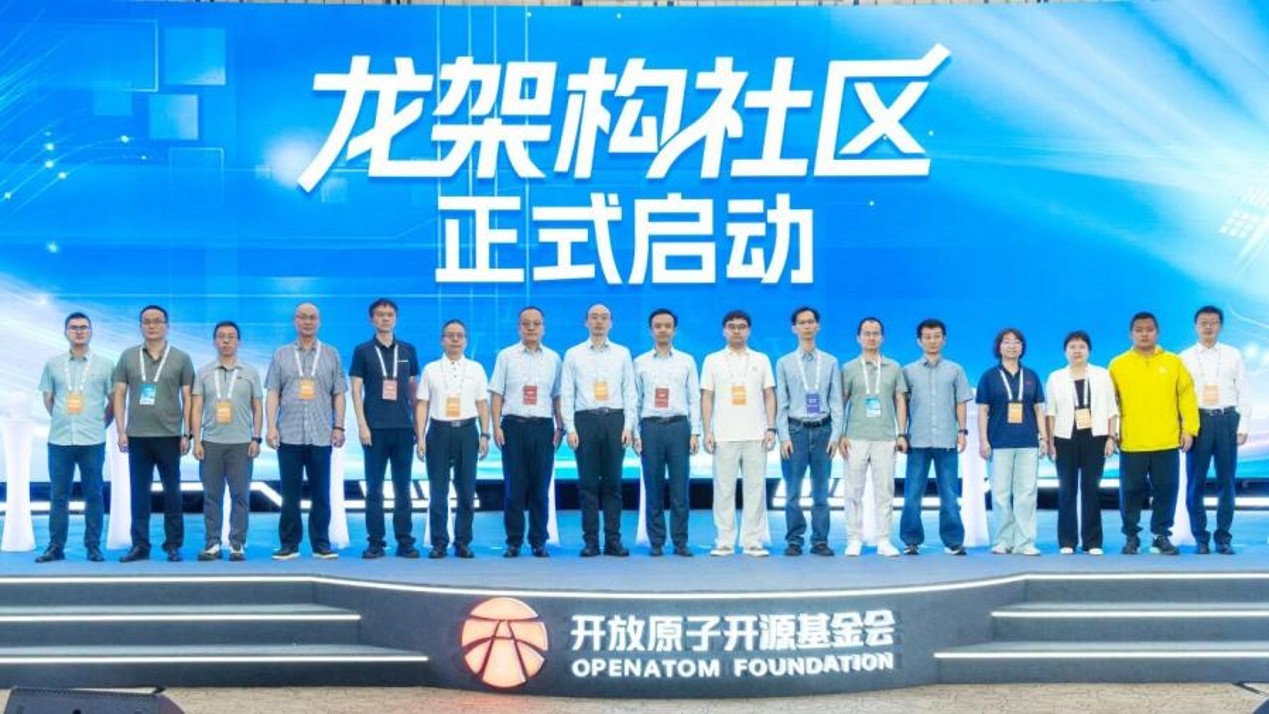
The 2026 OpenAtom Open Source Ecosystem Conference opened in Beijing. Loongson Technology, in collaboration with the OpenAtom Foundation, launched the "OpenAtom LoongArch Community." This marks the first comprehensive open-source community in the field of domestic instruction set architecture (ISA) in China.
The community will focus on three major open-source initiatives: IP cores, binary translation, and foundational operating systems, covering the entire technology chain from chip design to terminal applications. Going forward, it will open up hardware and software open-source assets to the entire industry, expanding the deployment of the LoongArch architecture across diverse scenarios such as desktops, servers, embedded systems, and cloud computing.
At the conference, Loongson Technology donated its LoongArch binary translator project to the OpenAtom Foundation, filling a gap in the foundation's underlying CPU open-source projects. This donation is expected to significantly reduce the cost of software and hardware adaptation across the industry. Loongson CPUs are currently among the few domestically produced CPUs in China that are available for external technology licensing.
The LoongArch architecture has been assigned a dedicated instruction set architecture number by the GNU organization, making it a top-level open-source ISA system alongside x86 and ARM. Loongson has contributed over one million lines of source code to more than 700 open-source communities worldwide.