China's wind and solar power capacity hits 2b kilowatts in Sept
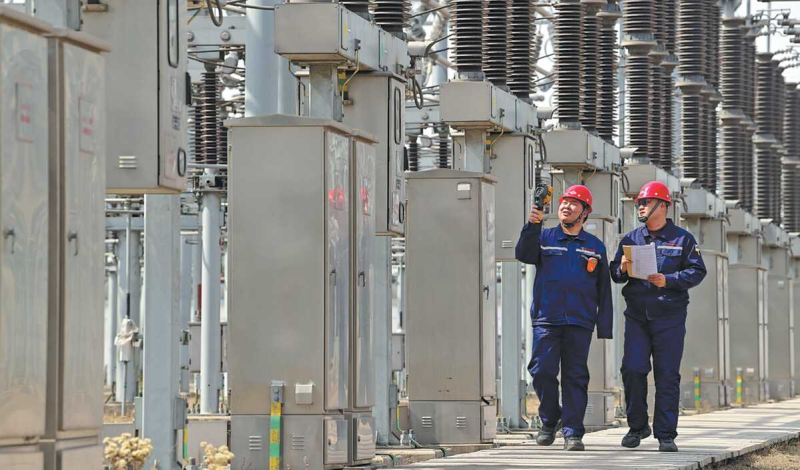
Workers conduct an inspection of a 220-kilovolt new energy substation in Ulaanqab, Inner Mongolia autonomous region, on March 20. WANG ZHENG/FOR CHINA DAILY
China's combined installed capacity of wind and solar power has broken through the 2-billion-kilowatt mark by the end of September, marking a historic new stage in the country's renewable energy development, the National Energy Administration announced on Monday.
As of the end of September 2026, the country's cumulative installed capacity for wind and solar power reached 2.01 billion kilowatts. During the first nine months of the year, approximately 170 million kilowatts of new wind and solar capacity were added to the grid, according to the latest NEA data.
Figures show that solar power capacity stood at 1.31 billion kilowatts by the end of September, representing a 16.5 percent year-on-year increase, while wind power capacity reached 700 million kilowatts, surging 20.4 percent from the previous year.
The rapid expansion of new energy is playing an irreplaceable role in China's broader energy landscape, it said.
From January to September, total electricity generated by wind and solar farms hit 1.93 trillion kilowatt-hours, an increase of 193.7 billion kWh compared to the same period last year. Notably, the increment in wind and solar power generation accounted for 64 percent of the country's total new electricity consumption.
The NEA highlighted that the large-scale substitution of traditional fossil fuels is continuously unleashing significant carbon reduction benefits, cementing renewables as the primary driving force behind the nation's green energy transition.
Furthermore, this leapfrog development has bolstered China's national energy security. During the peak summer demand period this year, maximum midday wind and solar output accounted for over 40 percent of the total power load on the days with the highest electricity demand.
This robust performance guaranteed a reliable power supply during daytime usage spikes, effectively aiding the country in navigating the global energy crisis, it said.