Hospital in Henan uses AI to screen diabetics for retinopathy
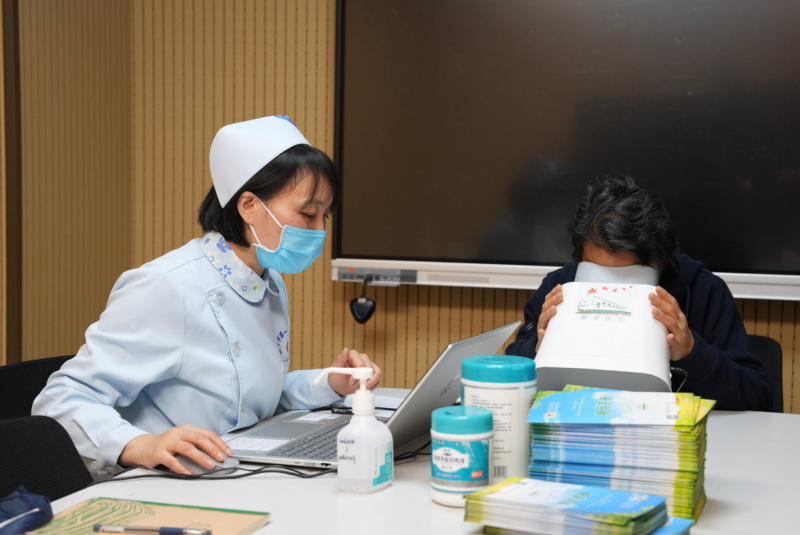
Locals receive free screenings for diabetic retinopathy at Xinxiang First People's Hospital in Xinxiang, Henan province. (Photo provided to chinadaily.com.cn)
A hospital in Xinxiang, Henan province, has been using artificial intelligence since September to screen people with diabetes for a complication that can gradually destroy their eyesight. Organizers hope the charity-backed pilot can be copied in other cities.
The program, which will last until December, targets diabetic retinopathy, one of the most common complications of diabetes. It has been run by the Chinese Foundation for Lifeline Express together with Xinxiang First People's Hospital and other medical institutions in the city. Its first results were reviewed at a meeting at the hospital ahead of World Diabetes Day on Nov 14, the 20th observance of the day since the United Nations recognized it.
China had about 148 million adults with diabetes in 2024, according to the International Diabetes Federation's Diabetes Atlas. The number is rising as the population ages and lifestyles change.
Lifeline Express, best known for a hospital train that has provided free cataract surgery to more than 250,000 people since 1997, began screening for retinopathy in 2014. It has screened more than 310,000 people with diabetes since then, said Guo Wei, the foundation's secretary-general. About 23 percent had the condition, and nearly 3 percent had severe cases.
The risk grows with time. Studies cited by the foundation show retinopathy affects about 19 percent of patients who have had diabetes for less than five years, and more than 70 percent of those who have had it for over 15 years.
Li Jikun, 46, has had diabetes for more than a decade and controls it with medication and insulin injections. One morning he woke up unable to see properly.
"The day before, my eyes were fine," he said. "However, when I woke up the next morning, something seemed to block my sight. I could only tell colors vaguely."
When he was admitted to the hospital, his right eye could only detect a hand moving in front of it, said Lu Cheng, director of ophthalmology at Xinxiang First People's Hospital. Surgery restored some functional vision, but not to its previous level, Lu said.
"Seeing clearly doesn't mean your eyes are healthy," Lu said. He added that middle-aged and older patients in rural areas pay little attention to the risk.
The foundation began using portable retinal cameras and AI image analysis in 2025 so that screening can be done at grassroots clinics. Guo said the Xinxiang pilot keeps AI screening separate from clinical diagnosis, adds quality checks, and follows patients who test positive through diagnosis, treatment, and follow-up.
The hospital, a designated Lifeline Express screening center, has screened more than 13,000 people for retinopathy since 2016. Lu said it plans to send more AI screening equipment to community-level facilities.
Patients newly diagnosed with type 2 diabetes should have a retinal exam promptly, said Wang Tao, an endocrinologist at the First Affiliated Hospital of Henan University of Chinese Medicine. After that, they should be checked once a year if their condition is stable, and every three to six months if it is progressing. Signs of retinopathy found during screening should also prompt a blood glucose test, he said.