Beijing Synchrotron Radiation Facility
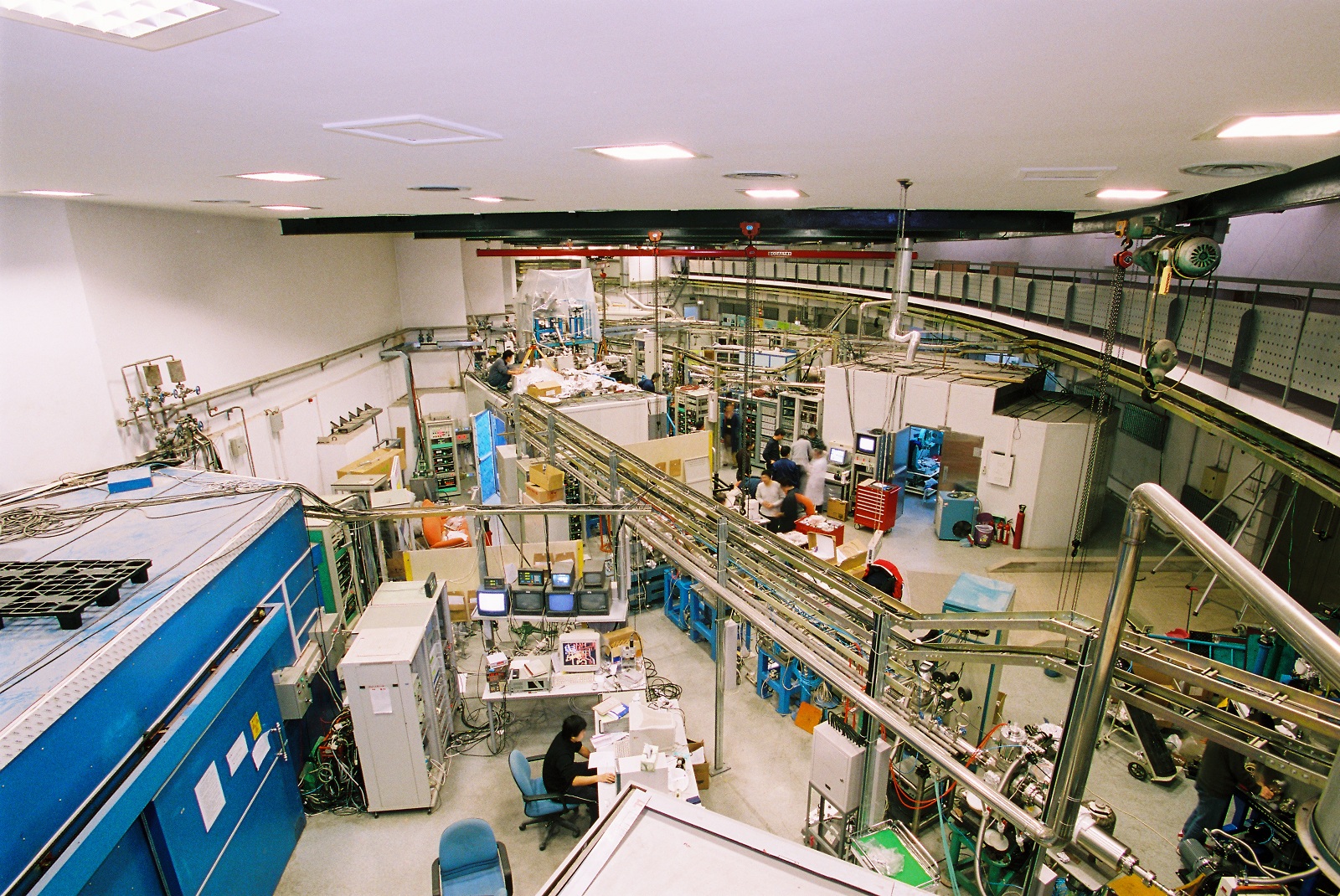
As a part of Beijing Electron Positron Collider (BEPC) project, Beijing Synchrotron Radiation Facility (BSRF) was constructed almost in parallel with BEPC and has been opened to users since 1991. After the upgrading project of BEPCII, BSRF runs in 2.5GeV full-energy injection and 250mA beam current in the dedicated mode of synchrotron radiation. The intensity of hard X-ray was increased one magnitude and the stability was also improved greatly.
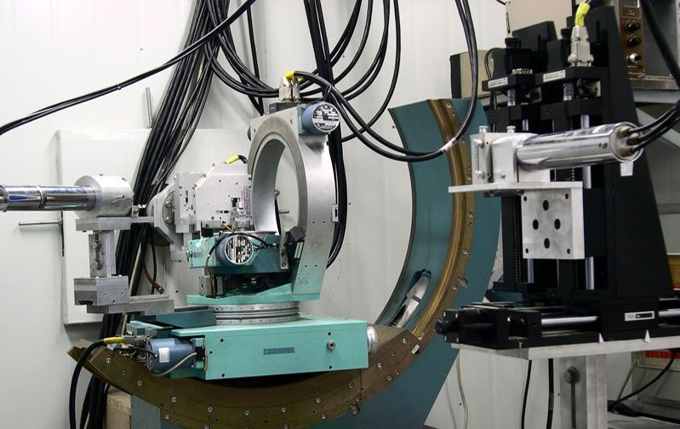
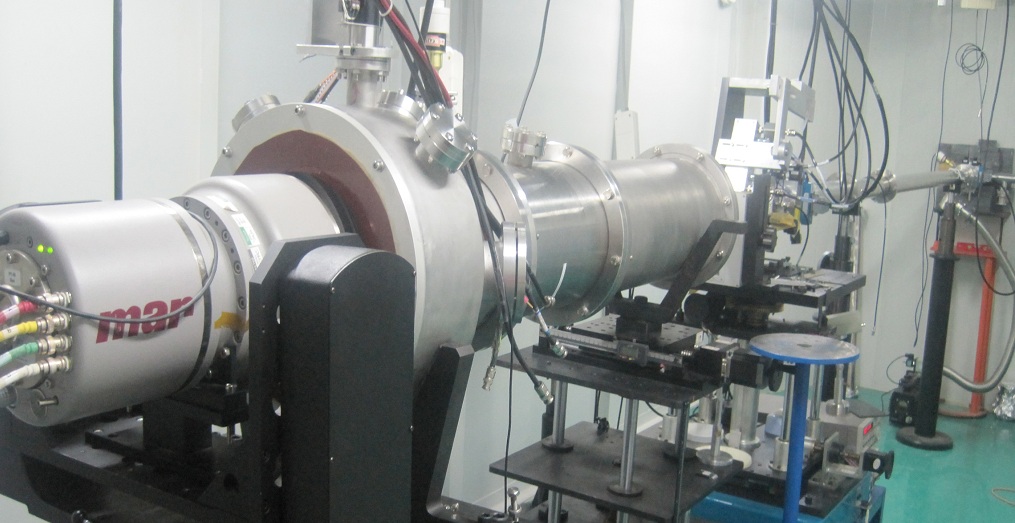
Currently, there are 3 experimental halls (12#, 13#, 15#), 5 insertion devices, 14 beamlines and 14 experimental stations at BSRF. The synchrotron radiation light of BSRF covers the energy from vacuum ultraviolet to hard X-ray, and supports many kinds of experimental techniques, such as X-ray topography, X-ray Imaging, Small Angle X-ray Scattering, Diffuse X-ray Scattering, Biological Macromolecule Structure, X-ray Fluorescence Analysis, X-ray Absorption Fine Structure, Photoelectron Spectroscopy, Circular Dichroism Spectra, Soft X-ray Calibration, Mid-energy X-ray Optics, High Pressure Structure, X-ray Lithography, which can be applied to lots of fundamental and applied researches, such as Condensed Matter Physics, High Pressure Physics, Chemistry, Material Science, Biology, Goescience, Environmental Science, Micro-electronics, Micromachining, Metrology, Optics and Probing Technique.
The experimental time of BSRF in the dedicated mode is at about three months per year. Additionally, ten beamlines (Medium energy X-ray, Soft X-ray, Photoelectron Spectroscopy, Vacuum Ultraviolet, Small Angle X-ray Scattering, Macromolecular Crystallography, Diffuse X-ray Scattering, XAFS XRD and X-ray lithography) could also run while BEPCII was working for high energy physics, which is called as coupling mode and supplies more experimental time to users. Totally, BSRF could supply beamtime to upwards of 500 experiments for over 1000 users from more than 100 institutes and universities at home and abroad.